
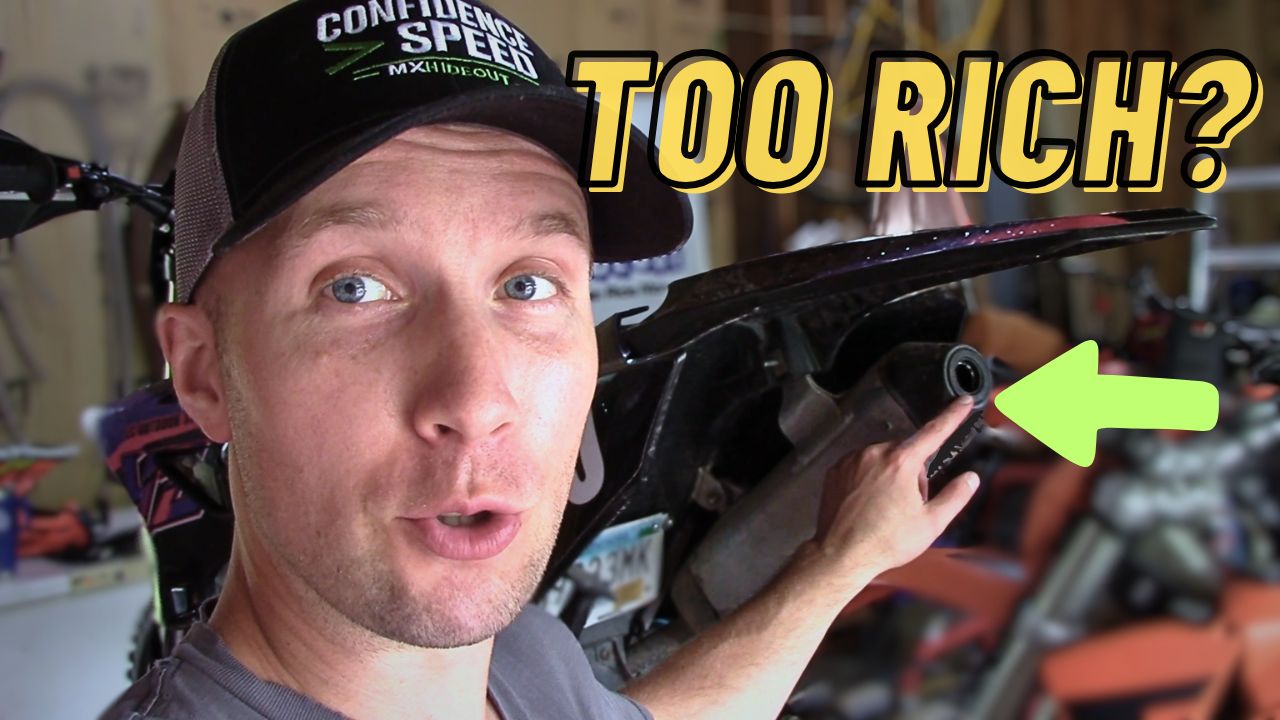
If your 2-stroke dirt bike has black oil dripping from the silencer (often called spooge), your premix ratio is probably not the problem.
I recently tuned two customer bikes that had this spooge problem - a YZ125 and a new YZ85 - and in most cases, the engine isn't completely burning the fuel and oil mixture. The unburned fuel and oil travel through the exhaust and eventually drip out of the silencer.
A small amount of spooge can be normal, especially after slower riding. But if oil is running down the silencer after nearly every ride, it's usually a sign the engine is running too rich, especially at lower RPM.
In most cases, the engine isn't completely burning the fuel and oil mixture…
Still not sure if your bike is actually rich or lean?
Before you start changing jets, download my free 2-Stroke Air Screw Guide. It shows you how to tune your air screw in just a few minutes so you can tell whether your pilot circuit is actually too rich, too lean, or already close.
👉 Download the free Air Screw Guide here
Is Oil Dripping From a 2-Stroke Silencer Normal?
A little bit is.
If you ride slow trails, spend time idling, or make lots of short rides, you'll often notice a little black residue around the silencer. That's fairly common.
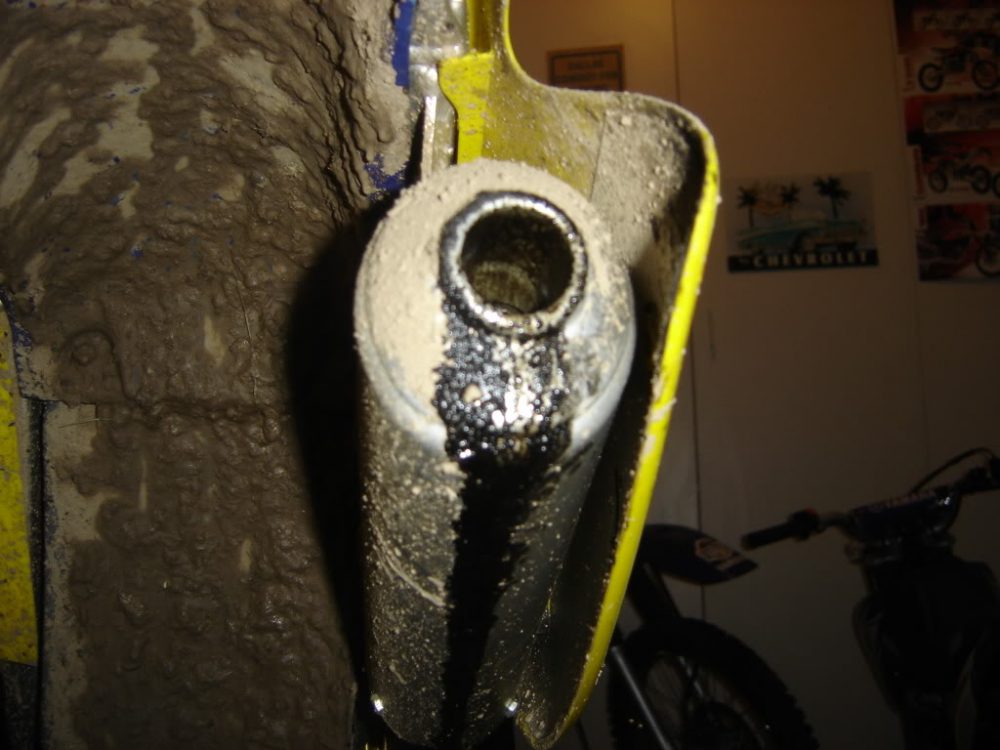
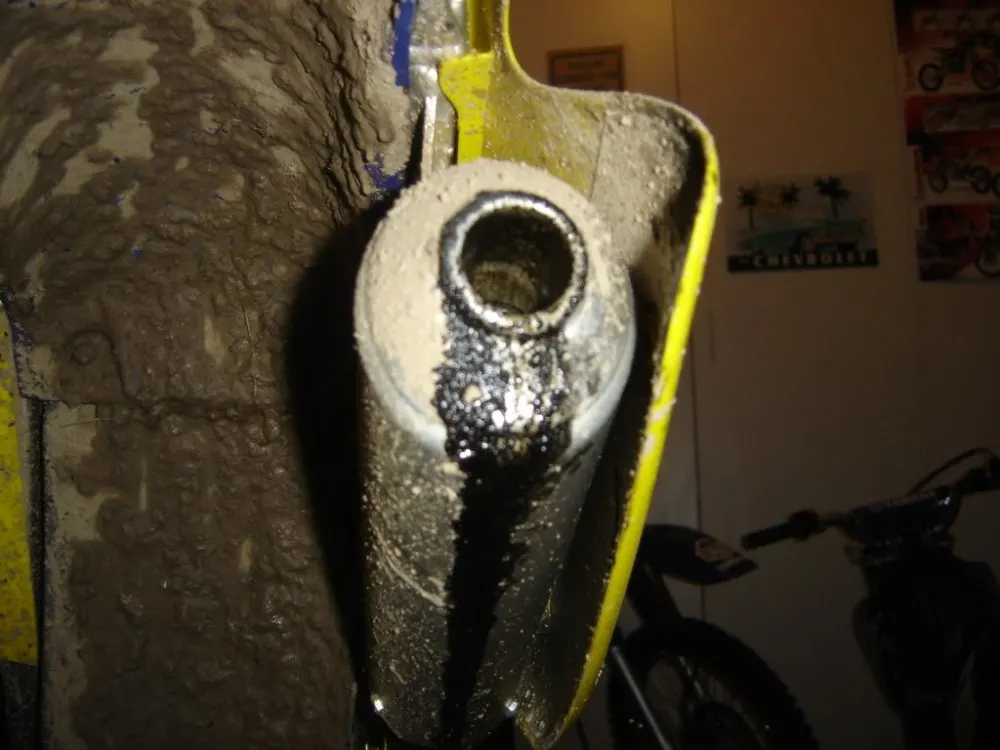
However, if your silencer looks like this after nearly every ride…
- Oil running down the silencer
- Thick black goo collecting around the end cap
- Constant spooge
- Excessive smoke
- Sputtering at low RPM
…your bike is trying to tell you something.
It's usually running richer than it should.
Is Too Much Premix Oil Causing the Problem?
This is probably the biggest misconception I hear.
A customer recently asked:
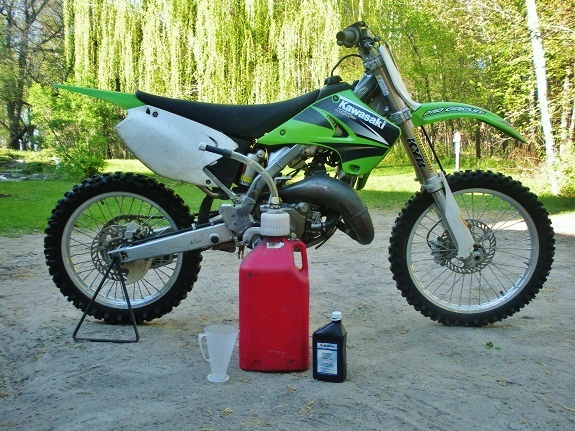
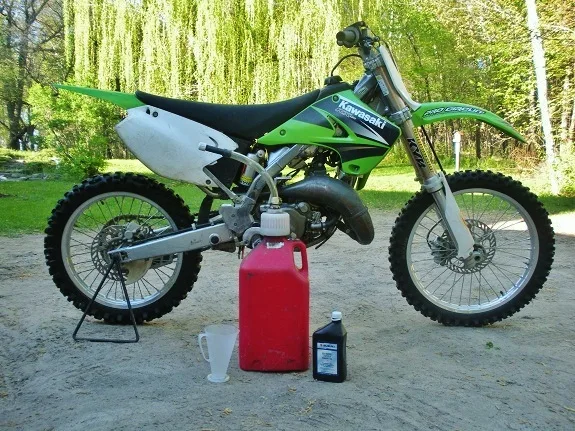
"My bike is sputtering and getting a lot of oil dripping out of the silencer. Is my 32:1 premix ratio causing it?"
For a 125cc motocross bike...
32:1 is actually a good starting point.
Smaller engines like:
- 65cc
- 85cc
- 125cc
typically spend much more time at higher RPM, which is exactly where additional oil provides better lubrication and piston sealing.
Larger engines like a 250cc or 300cc may work well at 40:1—or even 50:1—depending on how they're ridden and which oil you're using.
Changing the premix ratio usually isn't the correct solution for excessive spooge.
What Actually Causes 2-Stroke Spooge?
Spooge happens because the fuel and oil mixture isn't being completely burned inside the engine.
Instead of combusting fully, some of the mixture travels into the exhaust where it cools and eventually drips out of the silencer.
That means the problem is usually combustion, not lubrication.
Common reasons include:
- Carburetor jetting that's too rich
- Too much time spent riding at low RPM
- Excessive idling
- Cold engine that never reaches operating temperature
- Ignition or mechanical problems (less common)
For most trail riders, rich jetting is the first thing to check.
Excessively rich jetting doesn't just create spooge - it can also cause spark plugs to foul, making your bike harder to start and causing it to run poorly. If that's happening too, read my guide on 2-stroke spark plug fouling symptoms and fixes.
Why Trail Riders Usually See More Spooge Than Motocross Riders
Trail riders often notice more spooge because they spend much more time riding at low RPM, using small throttle openings, and idling through tight sections.
Motocross riders, on the other hand, are frequently accelerating harder and riding at higher RPM, which burns the fuel mixture more completely.
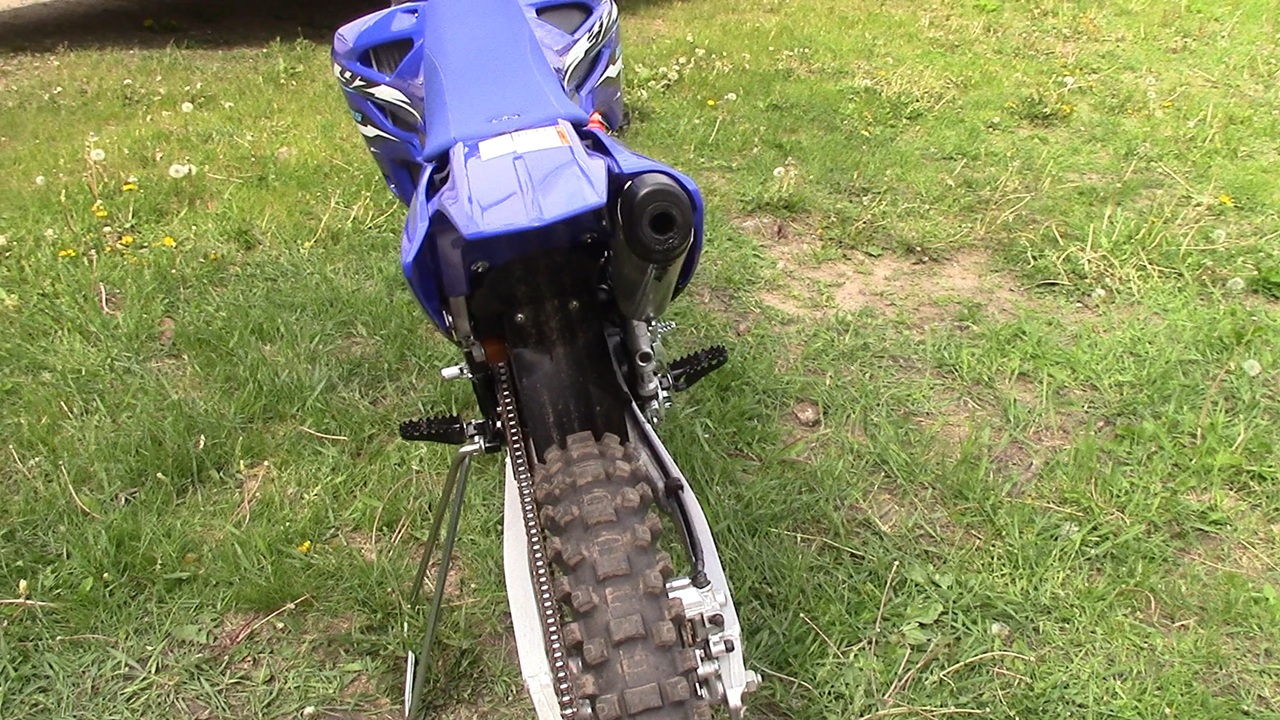
That's one reason a motocross bike that runs fine on the track may start dripping oil when it's used primarily for trail riding.
Where Should You Start?
One mistake I see all the time is riders immediately buying smaller jets.
Sometimes that works.
Many times it doesn't.
Instead, I recommend starting with the air screw.
If you've never adjusted an air screw before, I put together a free Air Screw Guide that walks you through the process step-by-step using only a screwdriver.
Why?
Because the air screw is the fine adjustment for the pilot circuit.
If the pilot jet is already close to the correct size, simply adjusting the air screw can noticeably improve:
- Low RPM throttle response
- Smoother idle
- Less sputtering
- Cleaner combustion
- Reduced spooge
The position where the engine runs best also tells you whether your pilot jet is actually too rich, too lean, or already the correct size.
That makes it one of the quickest and easiest adjustments you can make.
Don't Start Changing Jets Yet
Many riders skip straight to replacing the pilot jet.
But if the air screw hasn't been adjusted first, you're making changes without knowing whether the pilot jet is actually wrong.
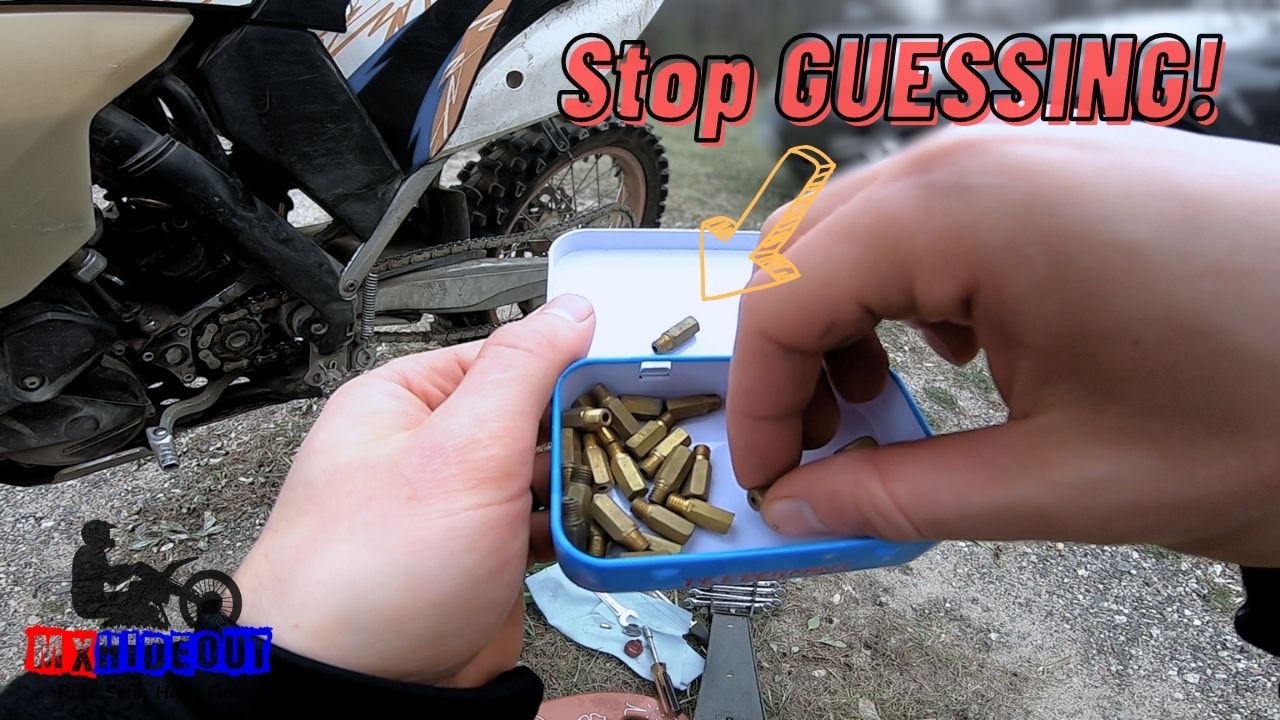
A properly adjusted air screw helps diagnose whether:
- the pilot jet is too rich,
- too lean,
- or already correct.
That can save you time, money, and a lot of unnecessary carburetor disassembly.
One of the biggest reasons riders get frustrated with carb tuning is they don't actually know whether the engine is running rich or lean. Once you understand the difference, jetting becomes much more logical instead of guessing.
Common Mistakes Riders Make
Here are the biggest mistakes I see:
Assuming the premix ratio is wrong
More or less oil rarely fixes excessive spooge.
Changing jets without diagnosing first
Guessing often creates new problems.
Ignoring low-RPM symptoms
Most trail riders spend much more time on the pilot circuit than they realize.
Accepting excessive spooge as "normal"
A little residue is common.
Oil running down the silencer every ride usually isn't.
My Experience
After tuning hundreds of dirt bikes, I've found that excessive spooge is usually caused by rich low-speed jetting—not the premix ratio itself.
Many motocross bikes leave the factory slightly rich, especially for riders who spend most of their time trail riding at lower RPM.
That's why I almost always begin with the air screw before recommending different jets.
It's the quickest way to determine whether the pilot circuit simply needs fine-tuning or if a jet change is actually necessary.
Frequently Asked Questions
Does changing from 32:1 to 40:1 stop spooge?
Usually no. The underlying problem is generally incomplete combustion caused by rich jetting or riding conditions, not the amount of oil in the fuel.
Can riding harder reduce spooge?
Yes, to a point.
Higher engine temperatures and RPM help burn the mixture more completely, so many riders notice less spooge during aggressive riding.
However, if your bike constantly spooges during normal trail riding, it may still need jetting adjustments.
(This creates a perfect internal link later to your "Keep It Pinned?" article.)
Is spooge bad for my engine?
Not necessarily.
A little spooge isn't harmful.
However, excessive spooge often indicates the engine isn't running efficiently and may also lead to poor throttle response, fouled spark plugs, and wasted fuel.
What's the first carb adjustment I should make?
Start with the air screw.
It's fast, requires only a screwdriver, and often tells you whether the pilot jet actually needs to be changed.
Your Next Step
If your 2-stroke is dripping oil from the silencer, don't start buying jets or changing your premix ratio just yet.
Start with the air screw.
It's one of the quickest adjustments you can make, and it often tells you whether your pilot jet is actually the problem.
If you want a simple step-by-step walkthrough, download my free 2-Stroke Air Screw Guide below.